In the United Kingdom, few tax policies attract as much attention as the Personal Allowance. This figure determines how much income individuals can earn before paying income tax, making it one of the most important thresholds for workers, pensioners, and part-time earners.
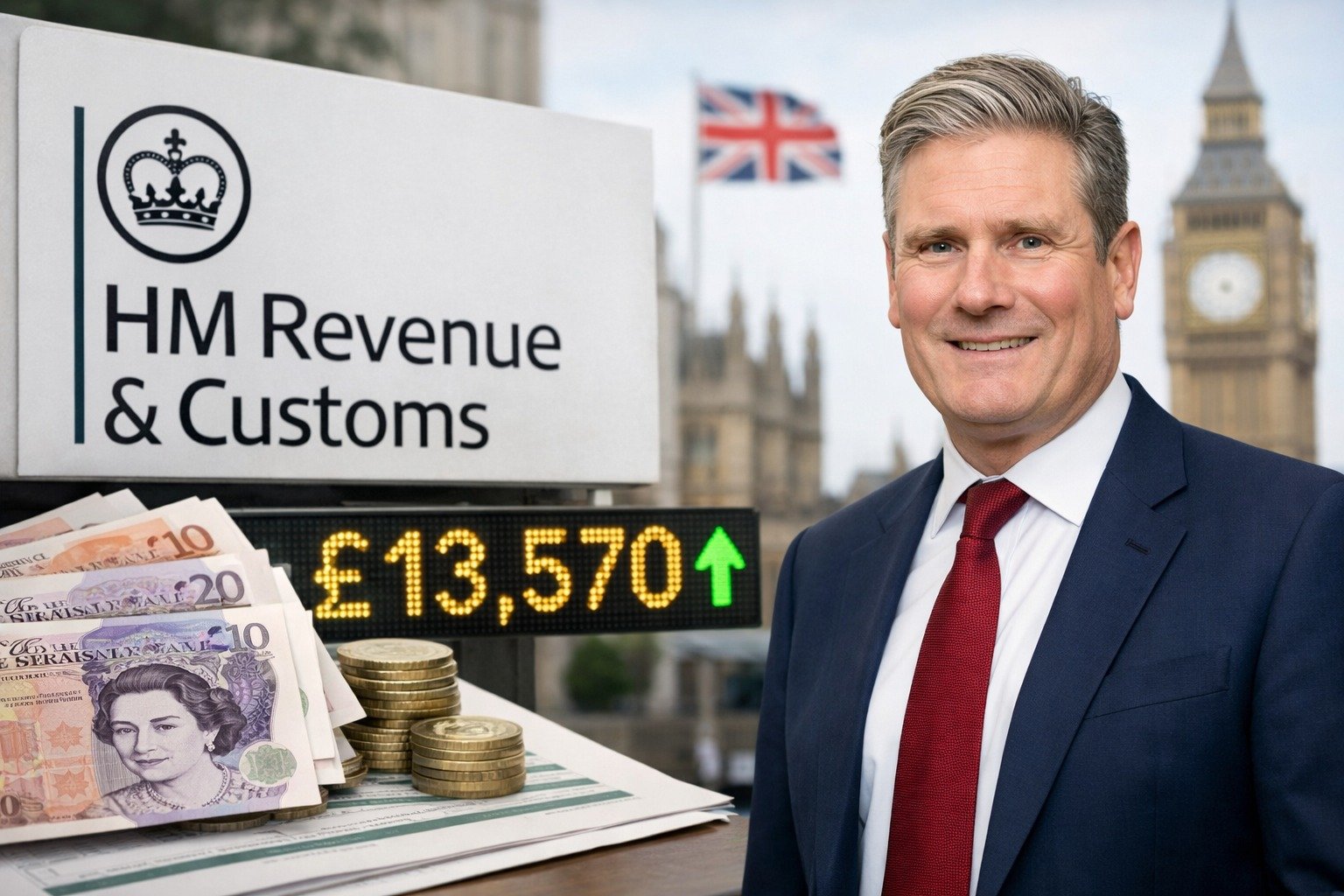
Recently, headlines across social media and financial blogs have suggested that HM Revenue and Customs (HMRC) is preparing to increase the tax-free Personal Allowance to £13,570 for the 2026/27 tax year. For millions of households dealing with rising living costs, such a change would provide welcome relief.
However, when examining official government policy and current legislation, the situation appears more complicated than the headlines suggest. The rumored increase has not yet been confirmed, and the current tax rules remain unchanged.
The Current Personal Allowance Explained
The Personal Allowance currently stands at £12,570, a figure that has remained unchanged since April 2021. The government originally froze the threshold to help stabilize public finances following the economic disruption caused by the pandemic.
Subsequent budgets have extended this freeze. Under current legislation, the Personal Allowance is scheduled to remain at £12,570 until at least April 2028.
While wages and pensions have increased during this period, the tax-free threshold has stayed the same. This means that more income gradually becomes taxable, even if earnings are simply keeping pace with inflation.
Why the £13,570 Figure Is Being Discussed
The number £13,570 has gained attention because it represents a theoretical inflation adjustment to the current allowance.
If the Personal Allowance had risen alongside inflation over recent years, economists estimate it could now be roughly £1,000 higher than its current level.
Campaign groups, financial commentators, and some Members of Parliament have suggested that raising the allowance to £13,570 would help offset the impact of higher living costs.
For a basic-rate taxpayer, this change would mean:
• An additional £1,000 of income tax-free
• Approximately £200 in annual tax savings for someone paying the 20% basic tax rate
While these numbers appear attractive, the government has not officially committed to making this adjustment.
Understanding Fiscal Drag
The freeze in the Personal Allowance has created a situation economists describe as “fiscal drag.”
Fiscal drag occurs when tax thresholds remain fixed while wages and pensions increase. As income grows, more people are gradually pushed into paying tax or moving into higher tax brackets.
For example, someone earning slightly above the £12,570 threshold today might not have paid any income tax a few years ago if the allowance had increased with inflation.
Because of this effect, millions of workers are now paying more tax without any official tax rate increase.
Pensioners Face a Narrow Margin
The frozen allowance is particularly significant for pensioners.
The New State Pension is expected to rise to around £12,548 per year in April 2026 under the government’s Triple Lock system.
This amount sits just £22 below the current Personal Allowance of £12,570.
While the State Pension itself remains taxable, pensioners only pay tax when their total income exceeds the Personal Allowance. Even a small additional income—such as interest from savings or a modest private pension—could push them into the taxable range.
This is one reason many commentators argue that raising the allowance would prevent more pensioners from unexpectedly entering the tax system.
How HMRC Automatically Tracks Income
Modern tax administration means most people do not need to manually report when they exceed the Personal Allowance.
Through the Real Time Information (RTI) system, employers report salary payments to HMRC every time employees are paid.
For pensioners, the Department for Work and Pensions (DWP) shares payment information directly with HMRC.
If total income exceeds the tax-free threshold, HMRC typically adjusts an individual’s tax code, allowing tax to be collected automatically from wages or pension payments.
This automated process ensures that tax is collected efficiently without requiring most taxpayers to submit additional paperwork.
Why the Government Has Not Raised the Threshold
Despite the popularity of a higher allowance, increasing the tax-free limit carries a significant financial cost.
Even small adjustments to the Personal Allowance reduce government tax revenue by billions of pounds.
A £1,000 increase would create a major gap in public finances, potentially requiring the government to compensate through spending reductions or higher taxes elsewhere.
Because of these financial pressures, policymakers have chosen to maintain the freeze for the time being.
Possible Changes in Future Budgets
Although no official change has been announced, tax policy can evolve quickly during major fiscal events.
The Autumn Statement and the Spring Budget are the two primary occasions when the Chancellor may introduce significant tax reforms.
Some political analysts believe that a future increase in the Personal Allowance could be used as a policy measure to support households and stimulate consumer spending.
Until such a proposal appears in official legislation, however, the £12,570 threshold remains the law.
Ways to Reduce Taxable Income
Even without a higher allowance, there are legal strategies individuals can use to reduce taxable income.
Pension contributions are one of the most effective methods. Increasing contributions to a workplace or private pension reduces taxable earnings.
Couples may also benefit from the Marriage Allowance, which allows a lower-earning partner to transfer part of their unused allowance.
Savings accounts such as Individual Savings Accounts (ISAs) provide another tax-efficient option because interest earned within an ISA is not subject to income tax.
Planning Ahead for Future Tax Years
Whether the Personal Allowance eventually rises or remains frozen, planning ahead is essential.
Taxpayers should monitor their total annual income from employment, pensions, and savings. Small increases in income can sometimes push individuals above key thresholds.
Using official calculators and reviewing tax codes regularly can help avoid unexpected tax bills.
While rumors about a £13,570 allowance continue to circulate, the most reliable information will always come from official government announcements.
Until any change is formally introduced, individuals should plan their finances based on the current £12,570 Personal Allowance.