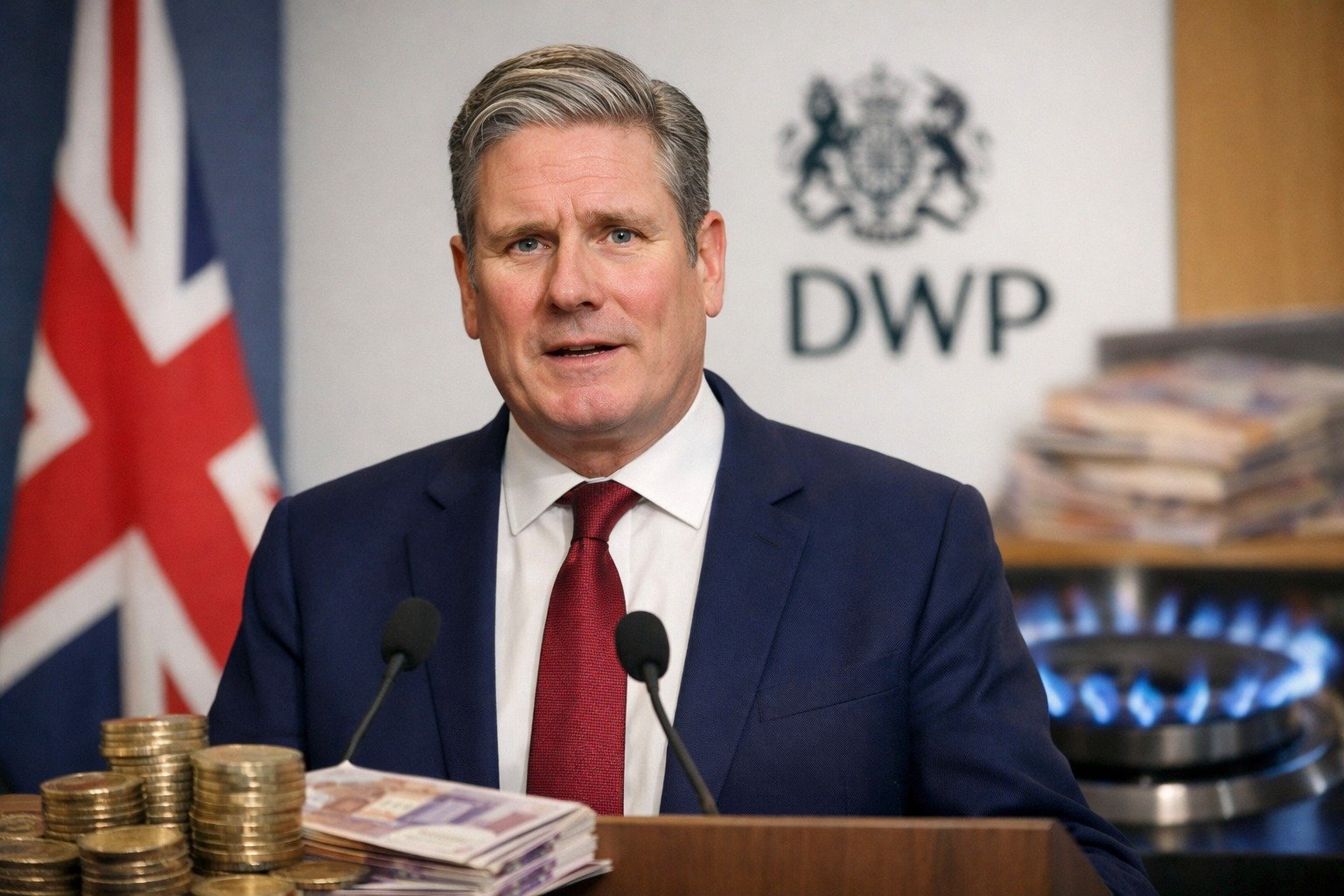
The UK government has issued a significant update regarding financial support for households as the country moves through March 2026. For the past several years, many families relied on direct “Cost of Living Payments” to help offset rising prices for energy, food, and housing. Now, the Department for Work and Pensions (DWP) has clarified how support will work moving forward.
The latest announcement signals a shift in strategy. Instead of distributing large one-off payments, the government is focusing on increasing regular benefits and expanding targeted assistance programs. While some households may miss the lump-sum payments that previously arrived automatically, the updated approach aims to provide steady support through monthly income increases and locally administered help.
Understanding these changes is important for anyone receiving benefits, pensions, or other forms of government support in the UK.
End of One-Off Cost of Living Payments
One of the most important points in the March 2026 announcement is that nationwide one-off Cost of Living Payments will not continue during the 2026–27 financial year.
Over the previous few years, households received several payments worth hundreds of pounds to help manage the energy crisis and rising inflation. These payments were sent directly to eligible claimants receiving benefits such as Universal Credit, Pension Credit, and disability payments.
However, the DWP has confirmed that these emergency-style payments were always intended to be temporary. The government’s plan now focuses on strengthening the regular benefits system so that support is delivered more consistently rather than through occasional lump sums.
This means households should expect changes to appear in their monthly benefits rather than waiting for a special payment notification.
Benefits to Increase by 3.8% in April
Although the one-off payments are ending, the government has confirmed that most working-age benefits will increase by 3.8% starting in April 2026. This rise is designed to reflect inflation and help households keep up with rising living costs.
The increase will apply to a wide range of benefits, including:
- Universal Credit
- Personal Independence Payment (PIP)
- Disability Living Allowance (DLA)
- Carer’s Allowance
- Employment and Support Allowance (ESA)
- Housing Benefit
For many claimants, this adjustment will mean slightly higher monthly payments from April onward. While the increase may not match the size of previous lump-sum payments, it provides ongoing support built into the standard benefit system.
Claimants are encouraged to check their benefit statements or online accounts to see exactly how the increase will affect their payments.
State Pension Rising Under the Triple Lock
Pensioners are also receiving good news this spring. Thanks to the government’s triple lock commitment, the State Pension will increase by 4.8% in April 2026.
The triple lock guarantees that the State Pension rises each year by the highest of three measures:
- Inflation
- Average wage growth
- 2.5%
This year, wage growth has been the highest measure, triggering the 4.8% increase.
As a result, the full new State Pension will rise from £230.25 per week to about £241.30. Those receiving the basic State Pension will see their payments increase from £176.45 to roughly £184.90 per week.
For many retirees living on fixed incomes, this increase will provide important financial relief as household costs remain high.
Household Support Fund Continues
Although national payments are ending, another major source of help remains available through the Household Support Fund (HSF).
The government has allocated hundreds of millions of pounds to local councils across England, Scotland, and Wales. Local authorities can distribute this funding to residents who are struggling with essential costs such as food, heating, or housing.
Support from the fund may include:
- Supermarket vouchers
- Energy bill assistance
- Emergency cash grants
- Household essentials
In many areas, households can receive payments of up to £150 or more, depending on local council policies. Because the scheme is managed locally, residents must apply through their own council rather than waiting for the DWP to contact them.
The fund is expected to remain an important lifeline for households facing short-term financial difficulties.
Two-Child Limit Being Phased Out
Another major change included in the government’s announcement is the planned removal of the controversial two-child limit on Universal Credit and Tax Credits.
Previously, families could only receive additional support for their first two children, regardless of how many children were in the household. Critics argued that this policy placed significant financial pressure on larger families.
Starting in 2026, the government will begin phasing out this restriction. Once fully implemented, families will be able to receive benefits for all eligible children, regardless of family size.
Officials believe the change could improve financial stability for thousands of households and reduce child poverty across the UK.
Updated Universal Credit Allowances
The April 2026 benefit uprating also brings changes to Universal Credit standard allowances.
Updated rates include:
- Single claimant under 25: around £338.58 per month
- Single claimant aged 25 or over: around £408.40 per month
- Couples over 25: a similar percentage increase to their joint allowance
These figures represent the basic payment levels before additional elements such as housing costs, childcare support, or disability elements are included.
Claimants should check their Universal Credit online journal to see the exact amount they will receive under the new rates.
Energy Bill Relief for 2026
Energy costs remain a major concern for households, but the government has announced measures that will help reduce bills in 2026.
Officials estimate that households could see average energy bill reductions of around £150 through a combination of existing programs and new energy relief credits.
One key scheme is the Warm Home Discount, which provides a reduction on electricity bills for eligible households. Many people receiving Pension Credit or certain income-related benefits are automatically enrolled, but it is still worth checking with your energy supplier to ensure you qualify.
Cold Weather Payments Remain Available
During the colder months, the Cold Weather Payment scheme continues to provide additional support.
If temperatures in a local area drop to 0°C or below for seven consecutive days, eligible households receive a £25 payment for each qualifying period.
This support is automatically issued to people receiving benefits such as Universal Credit, Income Support, or Pension Credit. The scheme remains active until March 31 each year, providing a safety net during late winter cold spells.
Key Takeaway for Households
The March 2026 update marks a turning point in how the UK government delivers cost of living support. While the large one-off payments that helped millions of households in recent years are ending, support is being integrated more deeply into the regular benefits system.
With benefits increasing by 3.8%, pensions rising under the triple lock, and the two-child limit being removed, many households may see gradual improvements in their financial situation over time.
For those facing immediate difficulties, local council assistance through the Household Support Fund remains one of the most important sources of emergency help. Staying informed and checking eligibility for available programs will be essential as the new financial year begins.