Applying for government support online has become a routine process for millions of Australians. Digital systems have allowed people to lodge Centrelink claims from home, upload documents electronically, and receive updates through online service accounts.
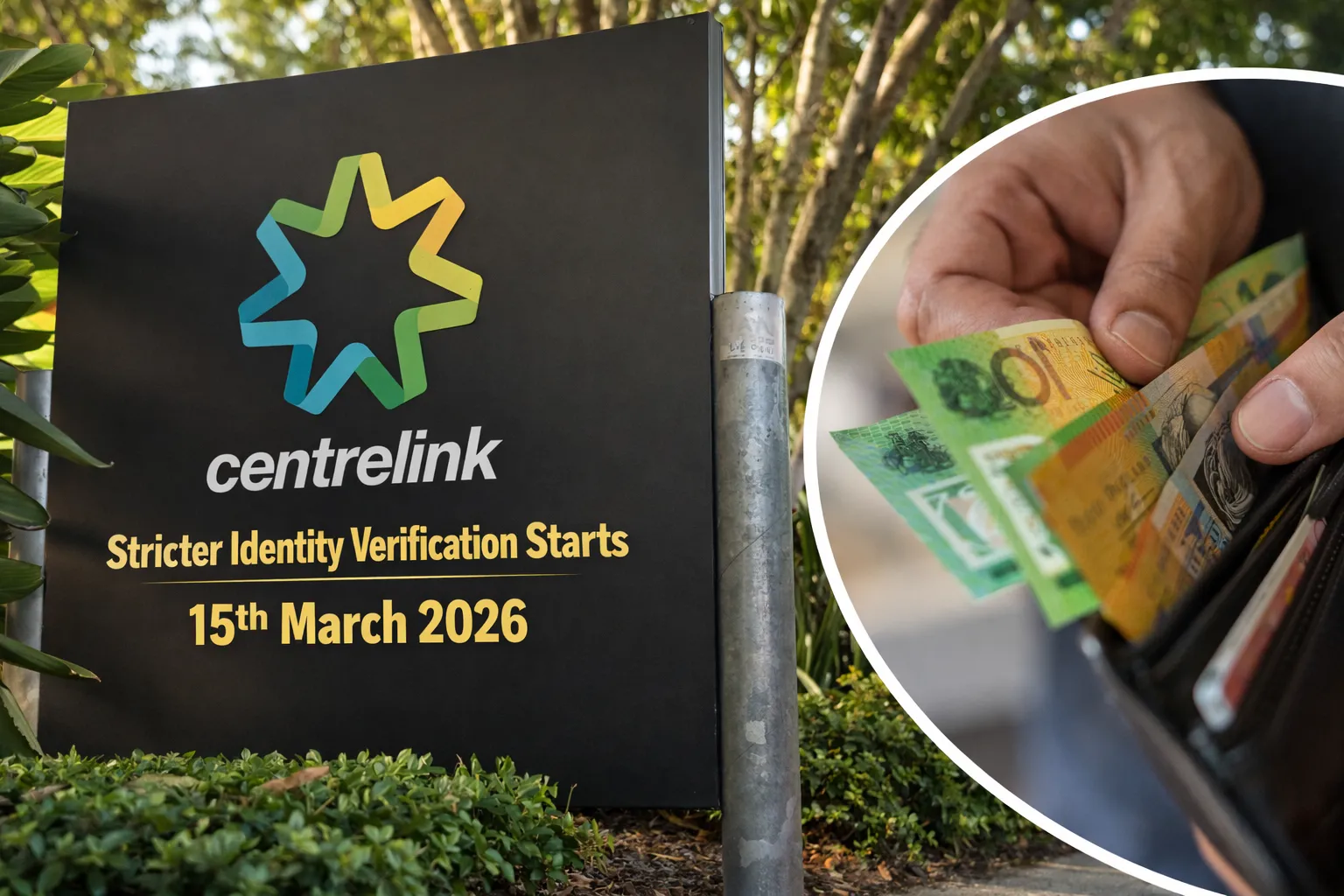
Beginning 15th March 2026, however, the process is becoming more secure — and slightly more complex.
Authorities are introducing stricter identity verification rules that require applicants to confirm their identity through additional digital checks before a claim can be accepted. The changes aim to protect public funds, reduce identity fraud, and strengthen trust in the welfare system.
For many applicants, the phrase “goodbye to easy Centrelink claims” reflects a shift from the simpler application process of the past toward a more secure but more detailed verification system.
Understanding these new requirements early can help applicants avoid delays and ensure claims continue to be processed smoothly.
What Is Changing on 15th March 2026
The biggest change involves how identity is verified before a claim is submitted.
Previously, many applicants could complete the process using basic personal details linked to their government service accounts. While identity checks already existed, the system often relied on fewer verification steps.
Under the updated framework, applicants may need to complete multiple verification stages before lodging a claim.
These steps can include confirming identity documents, linking verified digital profiles, and completing additional online security checks.
The new process may require applicants to:
• Upload approved identification documents
• Complete digital identity verification through official platforms
• Link their service accounts with verified identity profiles
• Confirm personal information across multiple databases
Only once these steps are completed will a claim be fully submitted into the system for assessment.
For many users accustomed to the older process, the change represents a clear shift toward secure digital claim access.
Why the Government Is Introducing Stricter Checks
The updated verification system is largely driven by growing concerns about identity theft and fraudulent claims.
As welfare systems move increasingly online, criminals have also become more sophisticated in attempting to exploit digital services. Fraudulent claims using stolen identities have become a significant concern for governments worldwide.
Stronger verification rules are designed to prevent this by ensuring that only verified individuals can access and submit benefit claims.
Several goals sit behind the policy update.
One is to protect public funds by blocking suspicious accounts before payments are issued. Another is to strengthen digital security so legitimate applicants can trust the system.
Officials believe the new approach will make it significantly harder for fraudulent claims to enter the system.
By introducing additional verification layers, authorities aim to detect irregular activity earlier and stop identity misuse before payments occur.
How the New Identity Verification Process Works
The updated system relies on a combination of digital tools and document validation methods.
Applicants will likely be asked to confirm their identity using government-issued identification such as passports, driver licences, or other approved documents. These documents can be uploaded or scanned through secure service portals.
In many cases, the system will also cross-check personal details against official databases to confirm authenticity.
Some claims may involve real-time digital identity matching, where the system compares submitted information with verified government records.
In certain circumstances, advanced verification features such as biometric checks may also be used. These checks can include facial recognition or identity confirmation through secure authentication systems.
Additional monitoring tools will operate behind the scenes. Automated security systems may detect unusual activity, flag suspicious claims, and trigger additional verification if required.
Although these steps add more detail to the process, they are designed to strengthen the overall security of the welfare system.
How Applicants Can Prepare in Advance
Preparing for the new requirements before submitting a claim can prevent delays.
Applicants should ensure that their personal details match official records and that their government service accounts are correctly linked to verified identity profiles.
It is also helpful to gather identification documents early so they can be uploaded quickly when required.
Useful preparation steps include:
• Checking that identification documents are valid and up to date
• Ensuring personal information matches official government records
• Linking service accounts with verified identity systems
• Reviewing login security and updating passwords if needed
Completing these steps ahead of time can make the application process significantly smoother once the stricter verification system begins.
Applicants who wait until the moment they lodge a claim may experience longer processing times while identity checks are completed.
How the Changes May Affect Claim Processing
At first, some applicants may notice that claims take slightly longer to submit due to the additional verification stages.
However, authorities believe that once users become familiar with the new system, the process will become routine.
The stronger verification process may actually improve overall efficiency by reducing fraudulent activity and minimizing the need for manual investigations.
Over time, this could allow legitimate claims to move through the system more reliably.
The system is designed not only to block fraud but also to ensure that genuine applicants receive benefits without interference from identity misuse or suspicious accounts.
The Bigger Shift in Digital Welfare Systems
The stricter verification rules reflect a wider global trend in public service systems.
Governments around the world are investing in digital tools that protect identity, secure online platforms, and safeguard public funds.
As welfare programs move further into the digital environment, identity protection is becoming a central priority.
New technologies allow governments to detect suspicious activity earlier, confirm identities more accurately, and ensure benefits reach the correct recipients.
While these changes may introduce extra steps, they also create a more reliable and secure digital welfare environment.
What This Means for Centrelink Applicants
For most Australians, the key takeaway is simple.
Centrelink claims will still be available online, but identity verification will play a much bigger role in the process.
Applicants who prepare their documents, verify their identity profiles, and secure their accounts ahead of time are likely to experience fewer disruptions.
Adapting to the new system mainly involves understanding the updated verification requirements and following the steps needed to confirm identity.
Although the phrase “goodbye to easy Centrelink claims” may sound dramatic, the goal of the changes is clear — protect applicants, prevent fraud, and strengthen confidence in Australia’s digital welfare system.
Identity Verification Features in the Updated System
| Verification Feature | Description | Purpose |
|---|---|---|
| Document Upload | Applicants submit scanned identification documents | Confirm applicant identity |
| Digital Identity Match | Systems verify personal details with official databases | Reduce fraudulent claims |
| Biometric Validation | Facial or biometric authentication may be required | Improve verification accuracy |
| Account Linking | Service accounts connected with verified identity records | Strengthen account protection |
| System Monitoring | Automated tools detect suspicious claim activity | Prevent identity misuse |